


Pump Station Breakdowns: Why Winter Is the Riskiest Time of Year
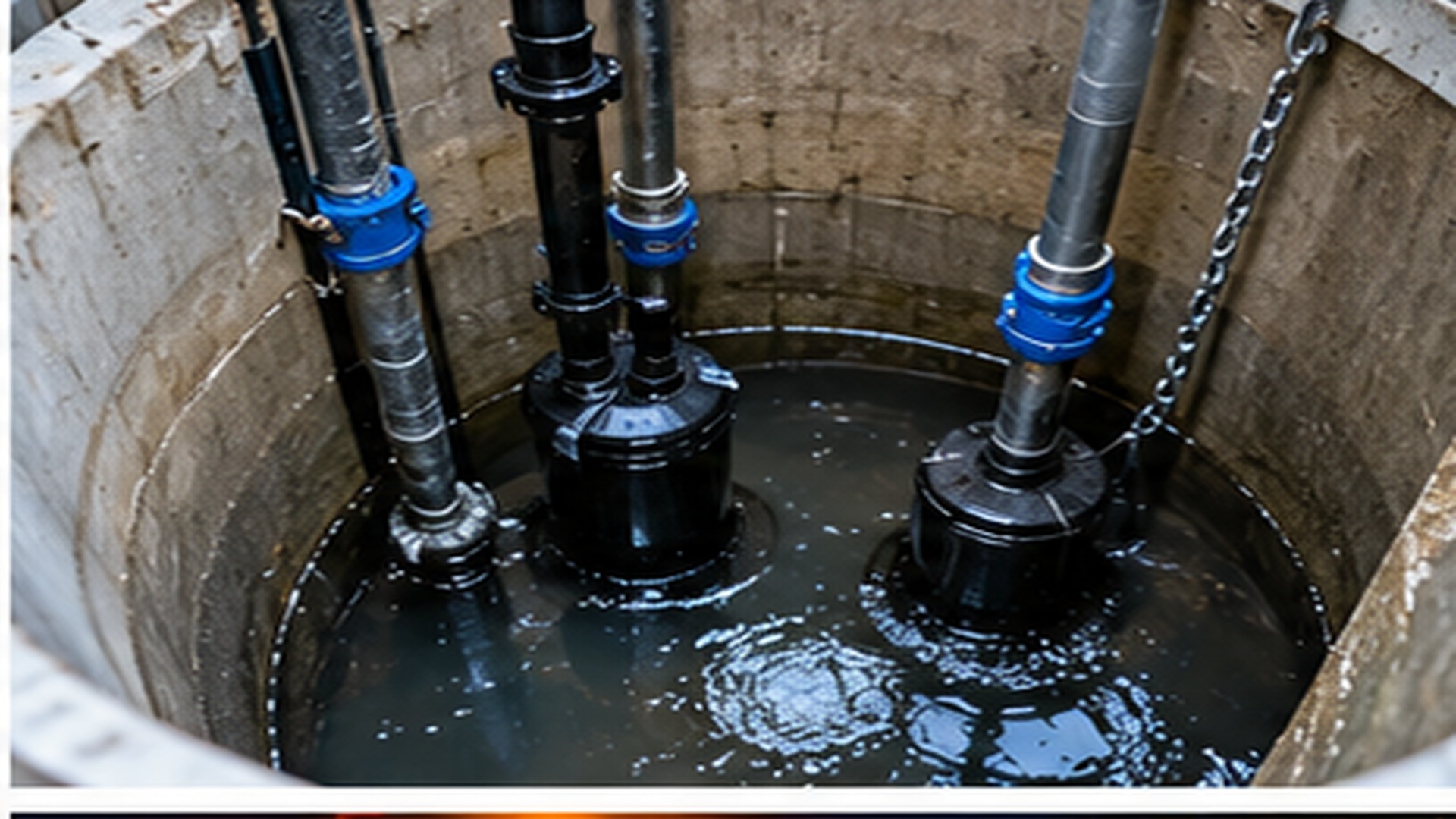
A pump station does a job nobody sees until it stops. Then sewage backs up, alarms sound and sites can shut down.
Winter is the riskiest time for breakdowns. This guide explains why and what to do before the cold sets in.
What a pump station does
A pump station moves sewage or wastewater from a low point to a higher one, where gravity can take over. Many sites rely on one. Think of commercial buildings, housing developments, industrial sites and rural properties.
If it fails, there is nowhere for the waste to go.
Why winter is the riskiest time
Several things come together in winter.
More water. Heavy rain and surface water raise flows. Pumps run harder and for longer. Our post on why UK drains are struggling with rainfall covers this in more detail.
Pumps that were already tired. Summer is quieter. A weak pump or worn part can go unnoticed. Winter's heavier load exposes it.
Cold weather. Low temperatures can affect control panels, floats and pipework, and make engineers' access harder.
Blockages. Wipes, rags and grease build up around pumps and floats. They jam impellers and stop floats working. Cold can make grease set harder.
Shorter days. Faults are harder to spot in the dark, and sites are quieter around the holidays. A problem can run for days before anyone sees it.
Warning signs of a failing pump station
- Alarms going off, or no alarm when you expect one
- Pumps running constantly or not at all
- Strange noises, such as grinding or rattling
- Slow draining or backing up in the building
- Bad smells around the chamber
- Tripped breakers or fault lights on the panel
- Rising water level in the chamber
Don't ignore an alarm. It is telling you something.
The parts that most often fail
Most breakdowns come down to a few parts:
- Pumps that are worn, blocked or burnt out
- Float switches that stick or tangle
- Control panels with faults
- Non-return valves that fail and let waste flow back
- High-level alarms that don't work when needed
- Rising mains that leak or block
A dirty chamber makes all of these worse. Regular pump chamber cleaning removes the build-up that causes jams.
What to do before winter
- Get it serviced. A visit now is cheaper than an emergency in January. See our pump station maintenance and servicing.
- Test the alarms. If the alarm doesn't work, a failure goes unseen.
- Clean the chamber. Clear grease and debris.
- Check the controls. Panels, floats and valves should all be tested.
- Know the plan. Who do you call? Is the number on the panel?
- Think about a planned preventative maintenance (PPM) plan. Our pump station PPM keeps the checks regular. We cover the costs in why planned maintenance beats waiting for a breakdown.
If your pump station fails
Treat it as an emergency. Our emergency pump and breakdown service is on call 24/7, 365 days a year, including bank holidays. If the chamber is overflowing, we can also arrange emergency tanker services to hold things steady while the repair is done.
If the pump is beyond repair, see our pump station refurbishment and upgrades and pump station installation.
Book a pre-winter check
Don't wait for the first cold snap. Call 0203 870 1067, email contactus@icedrainage.co.uk or get a quote today. We start with a free site survey.
Related reading: pump station services.

Speak with me today,
I’m here to help
By asking you a few questions either via phone or email I can immediately provide a realistic estimation of the cost.
You’re in good company. We’ve worked with the following commercial clients… View all



















Why choose us?
- Cater to a wide variety of drainage situations
- Nationwide coverage, available 24/7
- Cater to commercial and domestic clients
- Free survey provided prior to quotation
- Emergency response team
- Offer a bespoke service designed to suit all your needs
- All technicians hold professional health and safety qualifications