


-RGB.1708361192.png)
You’re in good company. We’ve worked with the following commercial clients… View all
























Sludge & Silt Removal
We remove built-up sludge and silt from tanks, chambers and drainage systems to restore capacity and cut flood risk.
Rated 4.9 on Google


Sludge and Silt Building Up? Here's How We Clear It
Sludge and silt settle in gullies, catch pits, manholes, and pumping stations over time, eating into capacity and restricting flow. Left alone, this leads to blockages, flooding, bad smells, and expensive emergency call-outs.
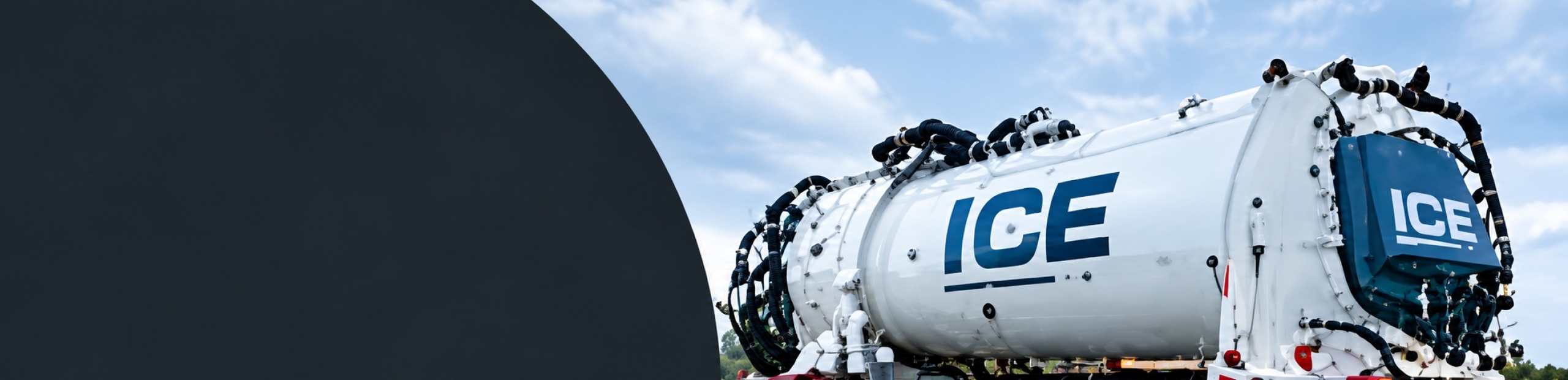
Our engineers use vacuum tankers to remove settled solids and, where needed, high-pressure jetting to break up compacted deposits first. Once it's clear, we check the asset is working properly and flag any repairs needed, then provide the right waste transfer documentation for your records.
Contact our friendly team by calling 0203 870 1067 or sending an email to contactus@icedrainage.co.uk to learn more about our sludge and silt removal services.

Speak with me today,
I’m here to help
By asking you a few questions either via phone or email I can immediately provide a realistic estimation of the cost.
Our sludge & silt removal treatment process

Step 1 Contact
To book a free, no-obligation survey appointment, either give us a call on 0203828 7719 or email us on contactus@icedrainage.co.uk.
A member of our friendly support team will reach out to discuss your requests and provide an estimated cost for your Sludge & Silt Removal service.
If necessary, our technicians will visit the site to review the current situation.

Step 2 Quote
Adhering to all health and safety protocols, our technicians will assess the state of your property. They will then conduct a risk assessment to avoid unforeseen issues arising during the works.
Our team will make tailored suggestions concerning the best service for your situation and address any concerns or queries. You will receive a free, comprehensive quote for your Sludge & Silt Removal service.

Step 3 Works
Our qualified technicians will arrive promptly, fully uniformed with ID badges, ready to begin the work.
The service will be completed in accordance with the survey, adhering to all health and safety rules. We aim to maintain a safe working environment for all parties at all times.
Our team will review and document the completed work, making sure you're pleased with the job. We promise to leave your property safe and clean.

Step 4 After care
Here at ICE Drainage, we go the extra mile to ensure all clients are satisfied.
Our dedicated customer service team strive to converse with every client following the Sludge & Silt Removal service to make sure all expectations have been met.
You'll also be given the opportunity to write a Trustpilot review.
Emergency Hotline
0203 870 1067
Helpline open 24 hours a day, 7 days a week
When calling please have
the following ready:
- Your Name
- Company Name (if applicable)
- Site Postcode
- The problem you're having
- Email Address
Get a Quote
Sludge & Silt Removal FAQs
The basics
Why does this need removing?
Build-up reduces capacity and can cause blockages, overflows, or equipment failures if left too long.
Where does sludge and silt build up?
Commonly in tanks, chambers, gullies, and pump stations, especially where water flow slows down.
Technologies used
How do you remove sludge and silt?
Using tanker and vacuum equipment to safely extract and remove it from the tank or chamber.
Booking the Service
How often should this be checked?
It depends on the site, but regular inspections help catch build-up before it becomes a problem.
Can you set up scheduled removal visits?
Yes, we can arrange a regular schedule based on your site's needs.
Customer care
Is the waste disposed of legally?
Yes, our licensed engineers dispose of all waste properly, with full documentation.

Why choose us?
- Cater to a wide variety of drainage situations
- Nationwide coverage, available 24/7
- Cater to commercial and domestic clients
- Free survey provided prior to quotation
- Emergency response team
- Offer a bespoke service designed to suit all your needs
- All technicians hold professional health and safety qualifications