


-RGB.1708361192.png)
Grease Trap Servicing: How Often Does Your Restaurant Actually Need It?
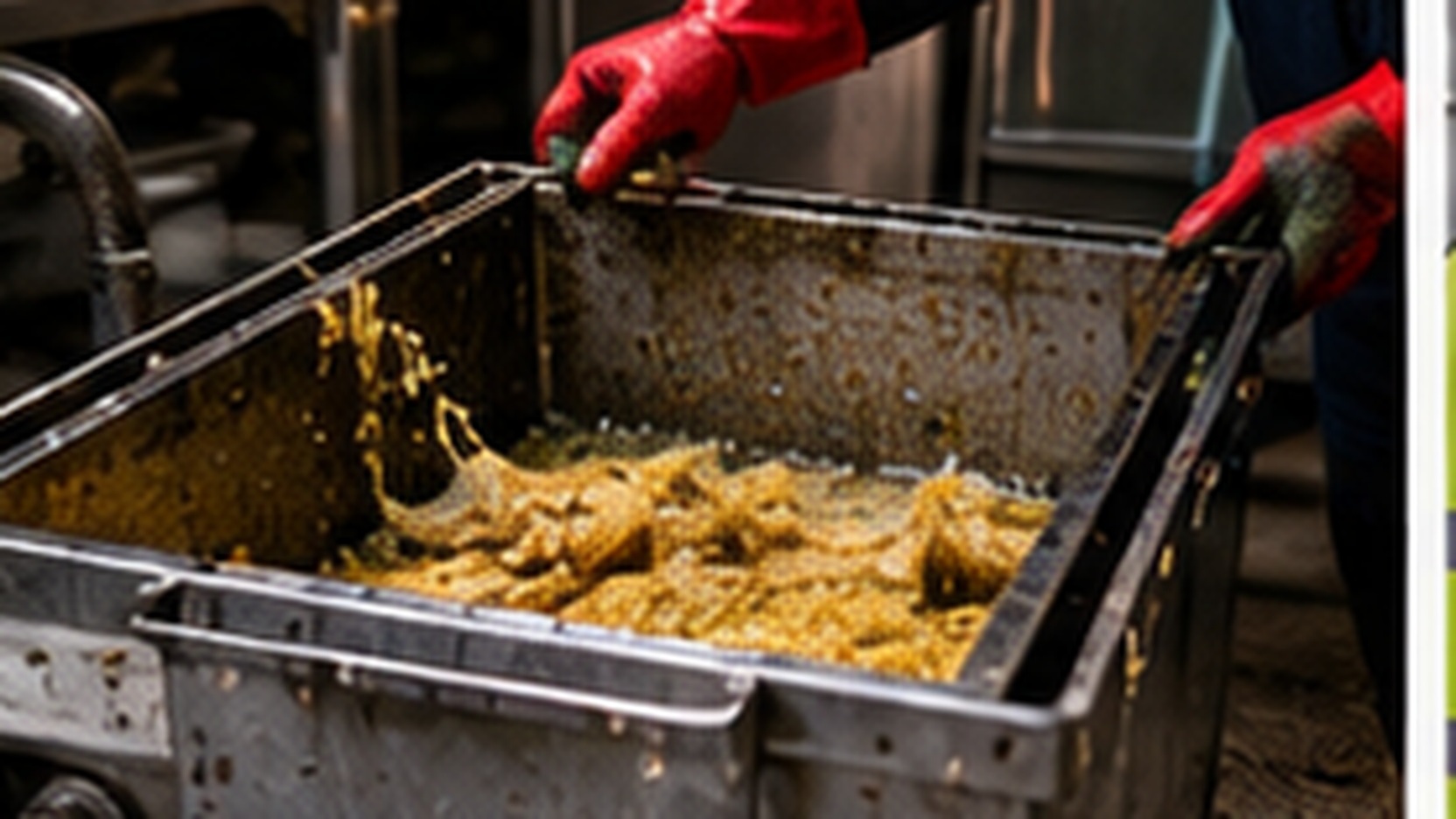
"How often should we service the grease trap?" is one of the most common questions we get from commercial kitchens, and the honest answer is: it depends on your kitchen. But too many restaurants find out they've left it too long only after a blockage shuts down service.
A grease trap works by capturing fat, oil and grease before it reaches the drainage system. Once it's full, it stops doing its job properly, and that's when problems start.
Below, we'll cover what affects how often your grease trap needs servicing, the signs you've left it too long, and how to build a schedule that actually works for your kitchen.
Need help right now? Call us on 0203 870 1067 — we offer grease trap servicing and emergency call-outs for commercial kitchens across the UK.
What affects how often you need servicing
There's no single answer that fits every kitchen, because servicing frequency depends on a few key factors:
- How much fat, oil and grease your kitchen produces — a busy fried food or grill-heavy menu produces far more FOG than a lighter menu
- The size of your grease trap — smaller traps fill up faster and need more frequent attention
- Covers served per day — higher volume kitchens generate more waste and need more regular servicing
- Trap location and type — under-sink traps typically need servicing more often than larger, in-ground interceptors
- Local water company requirements — some areas set minimum servicing frequencies as part of trade effluent consent conditions
General servicing guidelines
As a starting point, most commercial kitchens fall into one of these bands:
| Kitchen type | Typical servicing frequency |
|---|---|
| High-volume kitchens (fast food, fried food, large covers) | Every 4–8 weeks |
| Medium-volume restaurants and pubs with kitchens | Every 8–12 weeks |
| Lower-volume kitchens (cafes, smaller menus) | Every 3–6 months |
These are starting points, not fixed rules. The only reliable way to set an accurate schedule is to monitor how quickly your specific trap fills, and adjust from there.
Signs you've left it too long
If servicing has slipped, your kitchen will usually show warning signs before a full blockage hits:
- Slow-draining sinks, especially near the prep or wash area
- Unpleasant smells coming from the grease trap or nearby drains
- Visible grease build-up around the trap lid or surrounding area
- Water backing up in sinks during busy service periods
- A grease trap that's visibly full or close to capacity at inspection
Tip: if you're noticing these signs during service, your trap is already past the point of routine servicing and needs urgent attention before it fully blocks.
What happens if servicing is neglected
Letting servicing slip doesn't just risk a blockage, it creates knock-on problems for the business:
- Blocked drains that can shut down kitchen operations during service
- Trade effluent non-compliance, which can lead to fines from your water company
- Grease entering the wider drainage system, contributing to blockages beyond your own property
- Emergency call-out costs, which are almost always higher than routine servicing
- Reputational risk if a blockage causes closures or hygiene issues customers notice
For most kitchens, the cost of regular servicing is significantly lower than the cost of an emergency call-out plus lost trading time.
How to build a servicing schedule that works
- Start with the general guidelines above, based on your kitchen type and volume
- Monitor how quickly your trap fills between the first few services, and adjust the frequency accordingly
- Factor in seasonal changes — busier trading periods, like Christmas or bank holidays, may need extra servicing beforehand
- Keep servicing records — useful for trade effluent compliance and for spotting patterns over time
- Set up a recurring contract rather than booking reactively, so servicing happens on schedule even during busy periods
Our grease trap servicing is built around your kitchen's actual output, not a one-size-fits-all schedule, so you're serviced often enough to avoid blockages without paying for visits you don't need.
Contact us today
ICE Drainage provides grease trap servicing and compliance support for commercial kitchens across the UK, helping you avoid blockages, fines and unplanned downtime.
To set up a servicing schedule or ask a question, contact our team on 0203 870 1067 or contactus@icedrainage.co.uk

Speak with me today,
I’m here to help
By asking you a few questions either via phone or email I can immediately provide a realistic estimation of the cost.
You’re in good company. We’ve worked with the following commercial clients… View all



















Why choose us?
- Cater to a wide variety of drainage situations
- Nationwide coverage, available 24/7
- Cater to commercial and domestic clients
- Free survey provided prior to quotation
- Emergency response team
- Offer a bespoke service designed to suit all your needs
- All technicians hold professional health and safety qualifications